
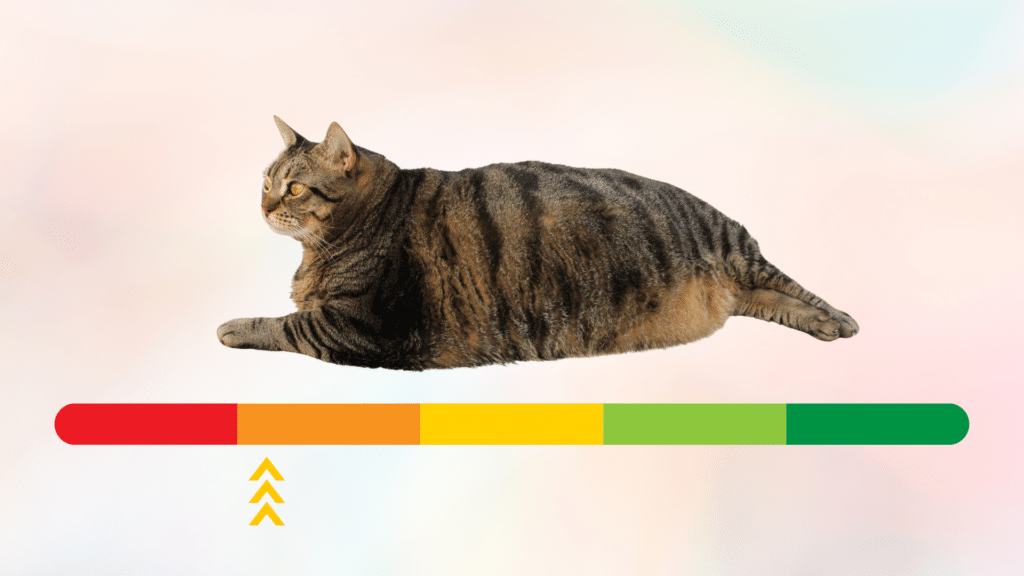
Has your cat started looking rounder through the middle, moving less, or feeling heavier when you pick them up? If you are wondering whether you have an overweight cat, changes in body shape and daily habits deserve attention. For pet owners in Plano, TX, recognizing weight gain early creates an opportunity to discuss your cat’s health with a veterinarian at Chase Oaks Animal Clinic before excess weight begins affecting everyday comfort.
Extra Weight May Affect More Than Appearance
Excess body fat may put additional stress on a cat’s joints and make normal movement more difficult. An overweight cat may face increased risks for diabetes, arthritis, urinary problems, and other health concerns. Extra weight may interfere with grooming, jumping, playing, and other behaviors that support a good quality of life. Over time, reduced activity may make weight management even more challenging. Keeping your cat near an appropriate body condition supports mobility and overall wellness.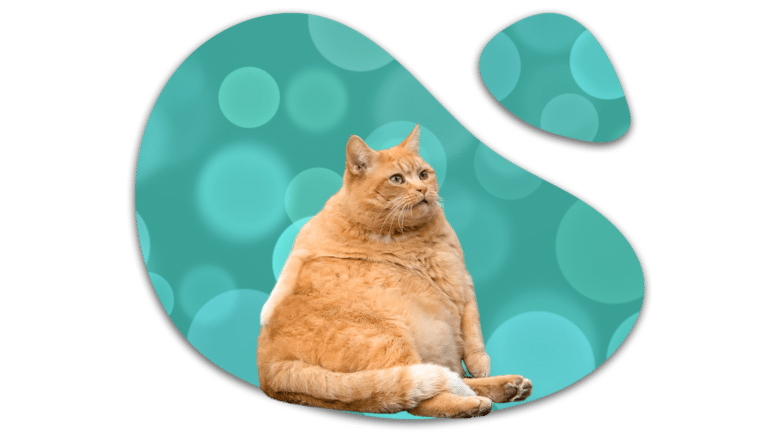
Why Cats Gain Excess Weight
Overfeeding is one of the most frequent contributors to feline weight gain, particularly when meal portions, treats, and snacks provide more calories than a cat uses. Indoor cats with limited activity may be especially prone to gradual weight increases. Age, medications, neuter status, and certain medical conditions may affect appetite, metabolism, or body composition. Because several factors may be involved, owners should avoid making drastic dietary changes without veterinary guidance. A veterinarian may recommend a nutrition plan based on your cat’s individual health and lifestyle.How to Evaluate Your Cat’s Body Condition
The number on a scale provides useful information, but body shape matters too. At an appropriate body condition, a cat’s ribs should generally be easy to feel beneath a light covering of fat, and a visible waist should appear behind the ribs when viewed from above. A rounded abdomen, little waist definition, or ribs that are difficult to feel may suggest an overweight cat. The feline body condition scoring guide offers a useful visual reference for comparing body shapes. A veterinary exam provides a more complete assessment and puts those observations into context.When Weight Gain Deserves Veterinary Attention
Gradual or unexpected weight gain is worth discussing with a veterinarian, particularly when it occurs with changes in appetite, thirst, grooming, energy, or mobility. Chase Oaks Animal Clinic provides full-service veterinary care for dogs and cats and welcomes new patients. A veterinary visit gives the team an opportunity to assess your cat’s body condition and consider medical or nutritional factors behind the change. For an overweight cat, a personalized plan may include feeding adjustments, appropriate activity, and ongoing weight monitoring. Pet owners in Plano should seek veterinary guidance rather than relying on restrictive diets or unverified weight-loss advice.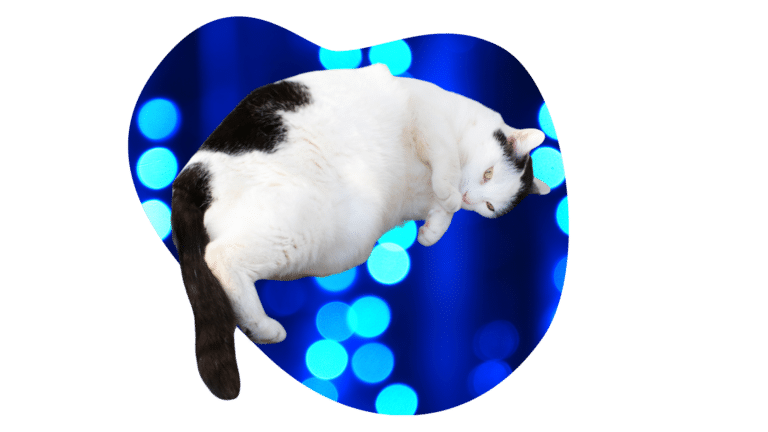
Three Practical Tips for Healthy Weight Management
- Measure meals and account for treats instead of estimating how much food your cat receives each day.
- Encourage regular movement through interactive toys, climbing opportunities, and short play sessions suited to your cat’s fitness level.
- Skip online diet trends and ask your veterinarian about appropriate calorie intake, food choices, and a safe pace for weight loss.
Weight Management for Cats in Plano, TX
Chase Oaks Animal Clinic serves cat owners from Plano, Allen, McKinney, and Richardson. If your cat has gained weight, seems less active, or shows changes in body condition, schedule an appointment to discuss the next steps with our veterinary team. Same-day appointments are often available.
Views: 9
